In a world where kids are glued to screens, skill-building games offer a refreshing twist that combines fun with learning. Imagine a game that not only entertains but also sharpens critical thinking, boosts creativity, and hones problem-solving skills. Sounds like a win-win, right? These games are like the secret sauce to making education enjoyable, ensuring that kids don’t just play but also grow.
Overview of Skill-Building Games for Kids
Skill-building games for kids encompass a diverse range of activities designed to foster critical abilities. These games develop skills such as problem-solving, teamwork, and effective communication. Educators and parents recognize the importance of blending fun with learning, making these games an integral part of children’s growth.
Cognitive development proceeds through activities that require strategic thinking and creativity. Children solve puzzles, play memory games, and engage in role-playing scenarios, honing various skills in the process. Many games adapt easily to different age ranges, maintaining relevance and challenge as children grow.
Social skills thrive in cooperative games, where interactions with peers take center stage. Working together helps children understand the value of collaboration, patience, and negotiation. In team-oriented environments, they practice listening and sharing ideas, strengthening their interpersonal abilities.
Physical games also play a role in skill development. Activities like obstacle courses and sports enhance hand-eye coordination and overall fitness. By participating in physical challenges, children gain confidence while learning to set and achieve personal goals.
Technology offerings include numerous digital applications that promote skill enhancement. Many educational platforms provide interactive learning experiences, aligning with curriculum objectives while providing engaging content. These tools present children with immediate feedback and progression tracking, helping them stay motivated.
Incorporating skill-building games into daily routines enriches children’s educational experiences. Whether through online platforms or traditional board games, these activities not only capture children’s attention but also encourage lifelong learning habits.
Types of Skill-Building Games
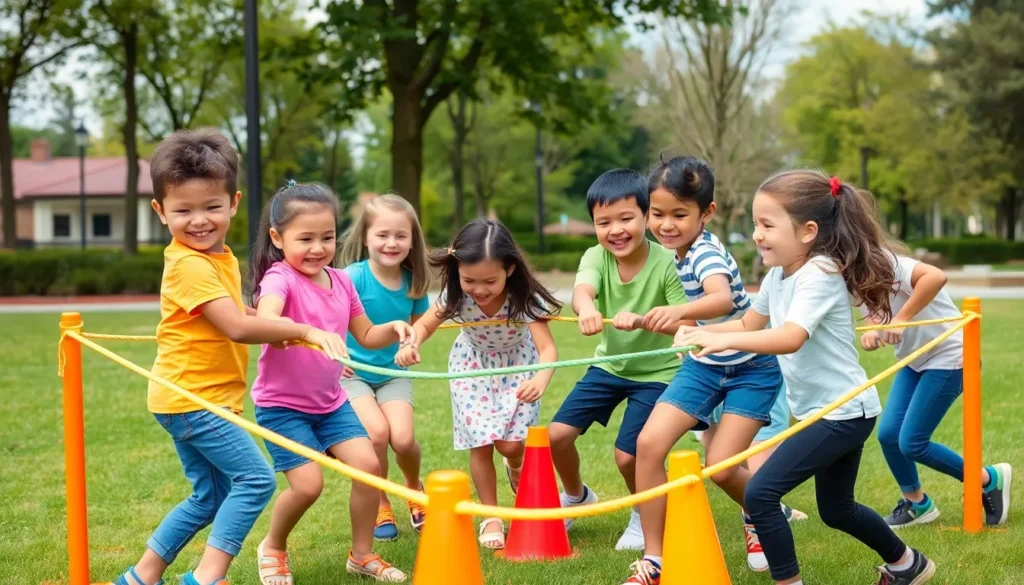
Skill-building games can be categorized into three primary types: cognitive, physical, and social games. Each type plays a significant role in developing essential skills.
Cognitive Games
Cognitive games engage children’s minds through puzzles, strategy-based challenges, and word games. These activities enhance critical thinking, problem-solving abilities, and creativity. Examples include chess and memory card games, which require strategic planning and recall. Many cognitive games adapt to various age groups, ensuring relevance and difficulty appropriate for different developmental stages. Research shows cognitive games contribute positively to academic performance, making them an important part of learning.
Physical Games
Physical games emphasize movement and coordination, promoting healthy habits and fitness. Activities like sports, obstacle courses, and dance not only build strength and endurance but also improve hand-eye coordination. Various games also encourage teamwork, which fosters social skills while keeping children active. Equipment like balls, ropes, and climbing frames can enhance play. Engaging in physical games aids overall physical development and boosts confidence in children.
Social Games
Social games facilitate interaction among children, promoting teamwork and communication. Board games and cooperative play encourage negotiation and collaboration, essential for developing strong interpersonal skills. Multi-player games require players to work together, enhancing their ability to understand others’ perspectives. Additionally, role-playing games can deepen emotional intelligence by allowing children to explore different roles and settings. Social games enrich relationships and are fundamental in enhancing social-emotional skills.
Benefits of Skill-Building Games
Skill-building games provide numerous advantages for children, enhancing their abilities while ensuring fun. These games foster essential development in various areas, making learning engaging and effective.
Enhancing Learning
Cognitive skills receive a significant boost through skill-building games. Games that involve puzzles, strategy, or problem-solving activate critical thinking and creativity. Studies show that children who engage in these activities often demonstrate improved academic performance. Engaging in learning experiences that blend entertainment and education helps maintain children’s interest. Games tailored to different age groups ensure appropriate challenges. They adapt to varying skill levels, promoting continuous growth. By employing digital applications, learning becomes interactive, further enhancing comprehension.
Promoting Teamwork
Cooperative skill-building games play a vital role in teaching teamwork. Games that require multiple players encourage children to collaborate toward a shared goal. Such collaborative experiences enhance communication skills, fostering positive interactions. Children learn essential social skills through negotiation and shared decision-making. Engaging in team-based activities builds trust among peers, creating an inclusive environment. Results indicate that children involved in teamwork excel in personal relationships. These games promote both confidence and self-esteem through successful group outcomes, preparing children for future collaborative endeavors.
Popular Skill-Building Games for Kids
Skill-building games offer a variety of ways for children to develop essential abilities while having fun. Here’s a closer look at some popular categories.
Board Games
Board games like Scrabble and Settlers of Catan enhance literacy and strategic thinking skills. Players engage in critical thinking and learn to make decisions based on their opponents’ moves. These games also promote social interaction, as kids communicate and collaborate during play. Chess, another excellent choice, fosters problem-solving and patience. Many board games adapt to different age levels, ensuring that all children can participate and enjoy the learning experience while playing together.
Video Games
Video games like Minecraft and Portal encourage creativity and problem-solving. Players often navigate complex challenges that require planning and critical thinking. Many educational games enhance cognitive skills while offering immersive experiences. For instance, games with puzzles or strategy elements demand logical reasoning and adaptability. Multiplayer options also foster teamwork, allowing kids to work collaboratively to achieve common goals. Parental controls can help guide age-appropriate options, ensuring a safe gaming environment.
Outdoor Games
Outdoor games such as capture the flag and relay races promote physical activity and teamwork. Kids develop coordination and motor skills while engaging in competitive play. Many outdoor activities also teach valuable lessons about cooperation and communication. Games like obstacle courses challenge children to overcome physical hurdles, enhancing their confidence and resilience. When played in groups, these games develop social-emotional skills, providing participants with opportunities to bond and learn from each other.
Embracing skill-building games for kids creates a dynamic learning environment that fosters growth and development. These games not only entertain but also equip children with essential skills they’ll carry into adulthood. By integrating cognitive, physical, and social games into their routines, parents and educators can enhance children’s critical thinking, creativity, and teamwork.
The diverse range of available games ensures there’s something for every child, catering to various interests and age groups. This approach not only makes learning enjoyable but also instills a love for continuous improvement. Ultimately, investing time in skill-building games paves the way for children to thrive both academically and socially.